GRASTIC
Scientific Background
Grastic is built on peer-reviewed environmental science. Our material design originates from academic research on real-world biodegradation.
Web + Mobile Development
From Academic Research to Material Innovation
One of the core scientific contributors behind Grastic is also a co-author of a peer-reviewed study published on ScienceDirect, investigating the biodegradation behavior of bio-based polymers under ambient environmental conditions.
Research to Application
Grastic’s formulation originates from academic research on ambient-condition biodegradation and microbial interaction mechanisms.
Each step — from scientific principles to material engineering — is grounded in peer-reviewed environmental science.
Peer-Reviewed Research
Ambient-condition biodegradation, microbial interaction
Scientific Principles
Degradation pathways, polymer–microbe dynamics
Material Design Logic
Composition tuning, structural control
Grastic Material Platform
Scalable, manufacturable, certifiable material
Then validates through
Integrity & Boundaries
What our research informs — and what real-world variables remain beyond controlled conditions.
Controlled Scope
Academic Research
Peer-reviewed environmental science
Material Engineering
Applied material design
Testing & Certification
Validated through standards & certifications
Beyond Our Control
Real-World Variability
- Environmental conditions
- Disposal & collection infrastructure
- User behavior
Science-informed. Engineering-led. Responsibly claimed.
GRASTIC
Science
Published
Published
Published
Published
Published
Published
Published
Published
Published
Published
Tech Approach
Designed for Microbial Interaction at Ambient Conditions
Grastic’s material platform is informed by peer-reviewed research on how microorganisms interact with bioplastics under real-world temperature conditions.
01
Grounded in Peer-Reviewed Research
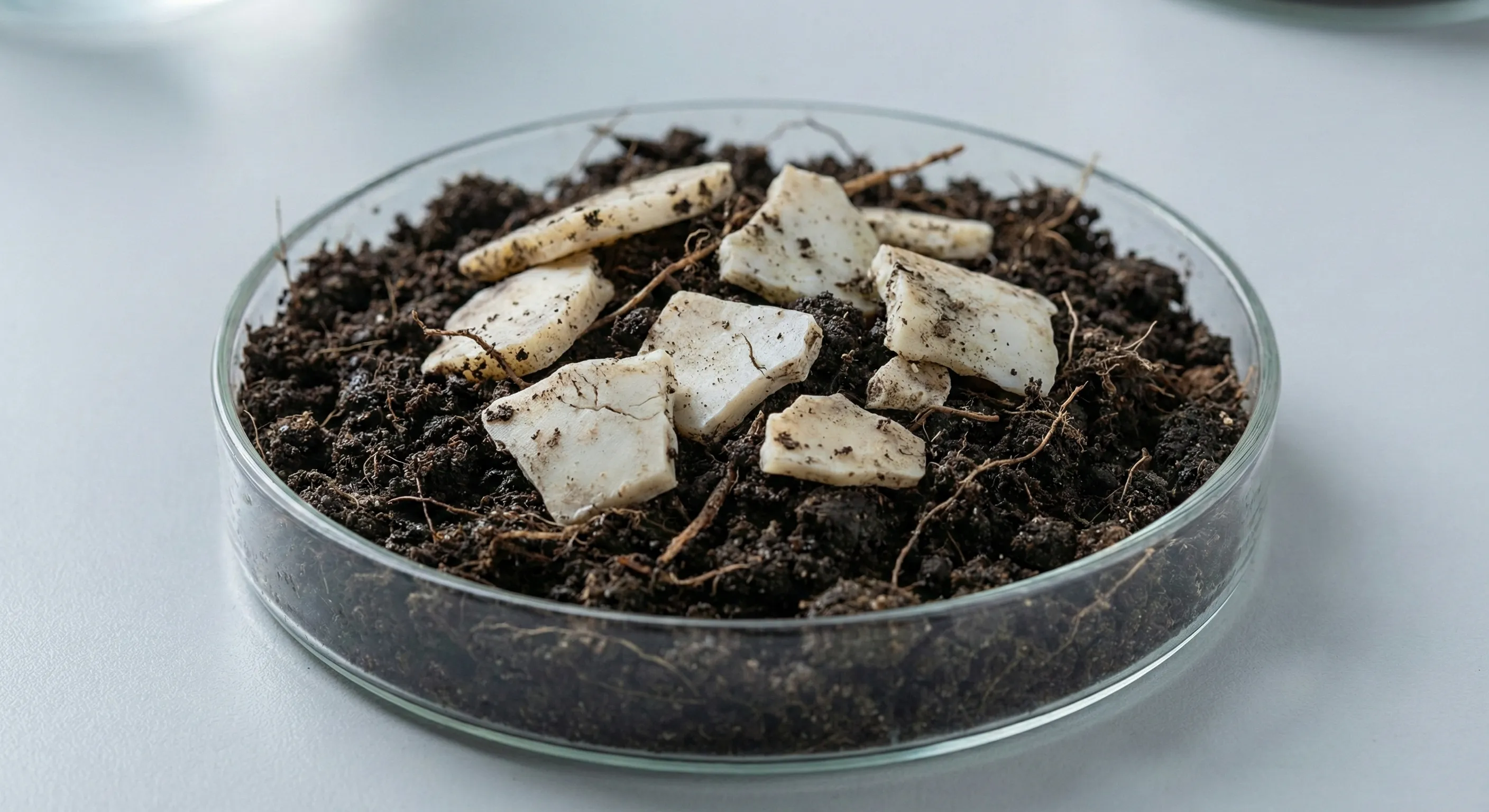
Research published in Chemosphere (Elsevier) demonstrated that certain microorganisms can biodegrade PBAT–PLA–starch-based bioplastic films under ambient conditions, without elevated temperatures.
View on ScienceDirect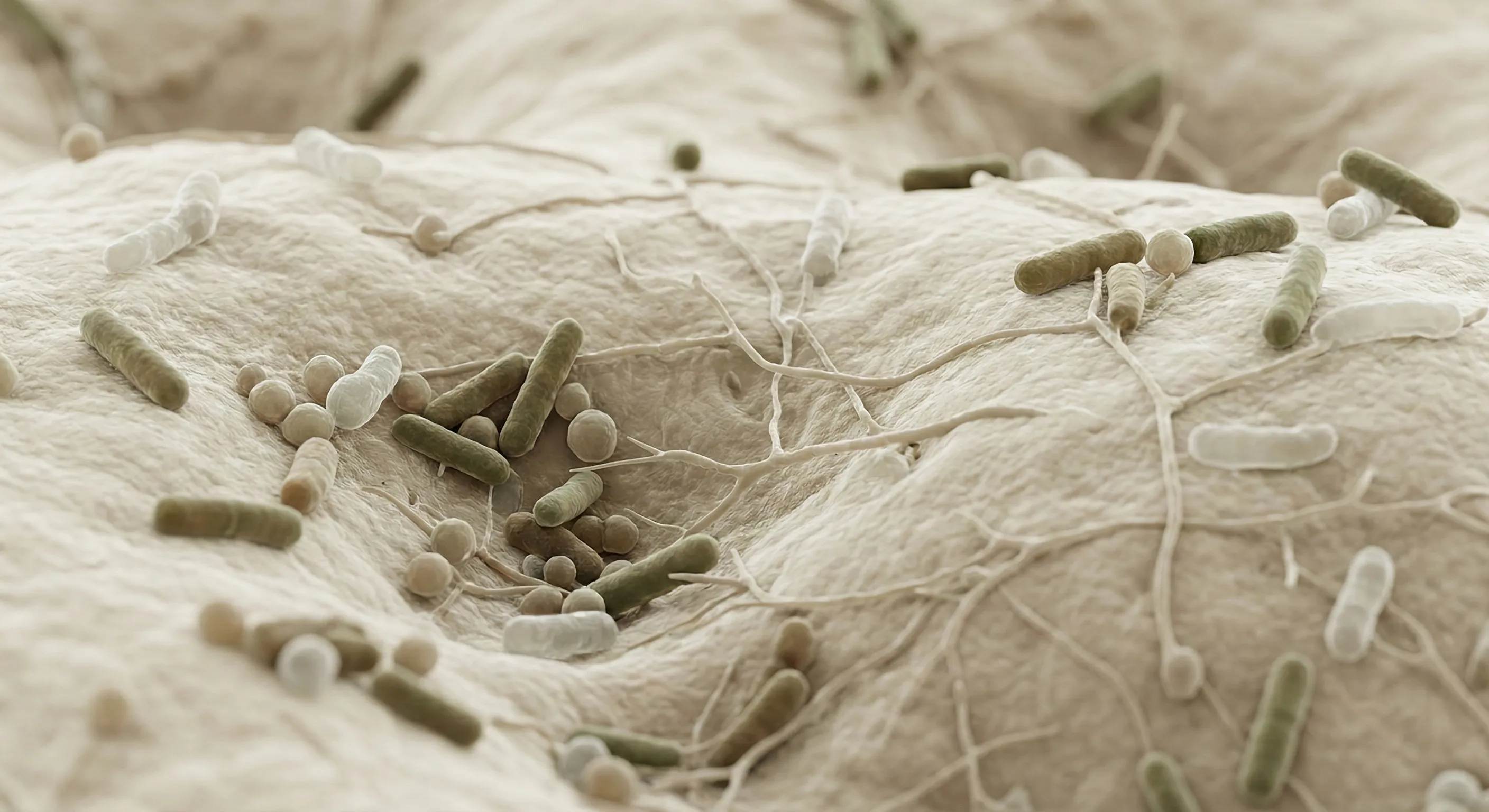
02
Microbial Interaction Mechanisms
Understanding how microorganisms attach to polymer surfaces and how enzymatic activity drives degradation pathways to identify key composition factors.
03
From Insights to Material Design
Scientific insights translated into controllable design parameters — composition tuning, structural control, and formulation optimization.
This research informs material design logic. Actual biodegradation outcomes depend on environmental conditions, disposal systems, and user behavior.